Food Styling Tips for Food Photography (Without Making Yourself Miserable)
Let’s just say it: food photography can feel weirdly intimidating.
You scroll Pinterest or Instagram and suddenly everyone seems to own a marble countertop, twelve vintage spoons, perfect lighting, and somehow their cinnamon roll is still steaming 45 minutes later. Meanwhile, you’re standing in your kitchen wondering why your pasta suddenly looks... sad.
Here’s the good news: good food photography is not about perfection. It’s about storytelling.
The best food photos usually feel like life. Like someone was just there. Like something happened before the frame and something is about to happen after it. A good food image makes you feel hungry, yes, but it also makes you feel something.
So if you are new to food photography (or just trying to make your images feel less stiff and more like you), here are a few styling tips that actually help.
Stop Trying to Make It Perfect
Perfect food is boring.
Seriously.
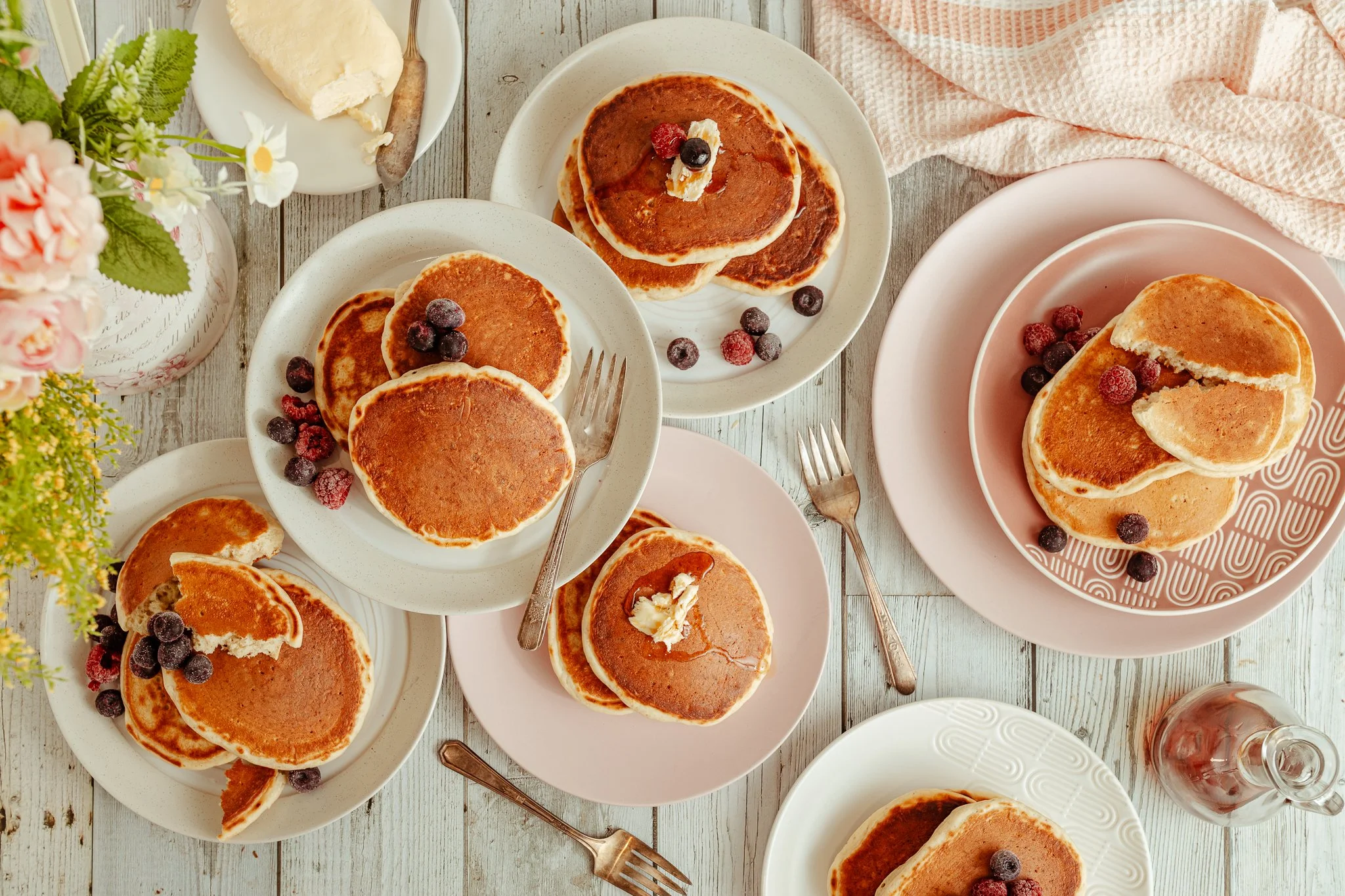
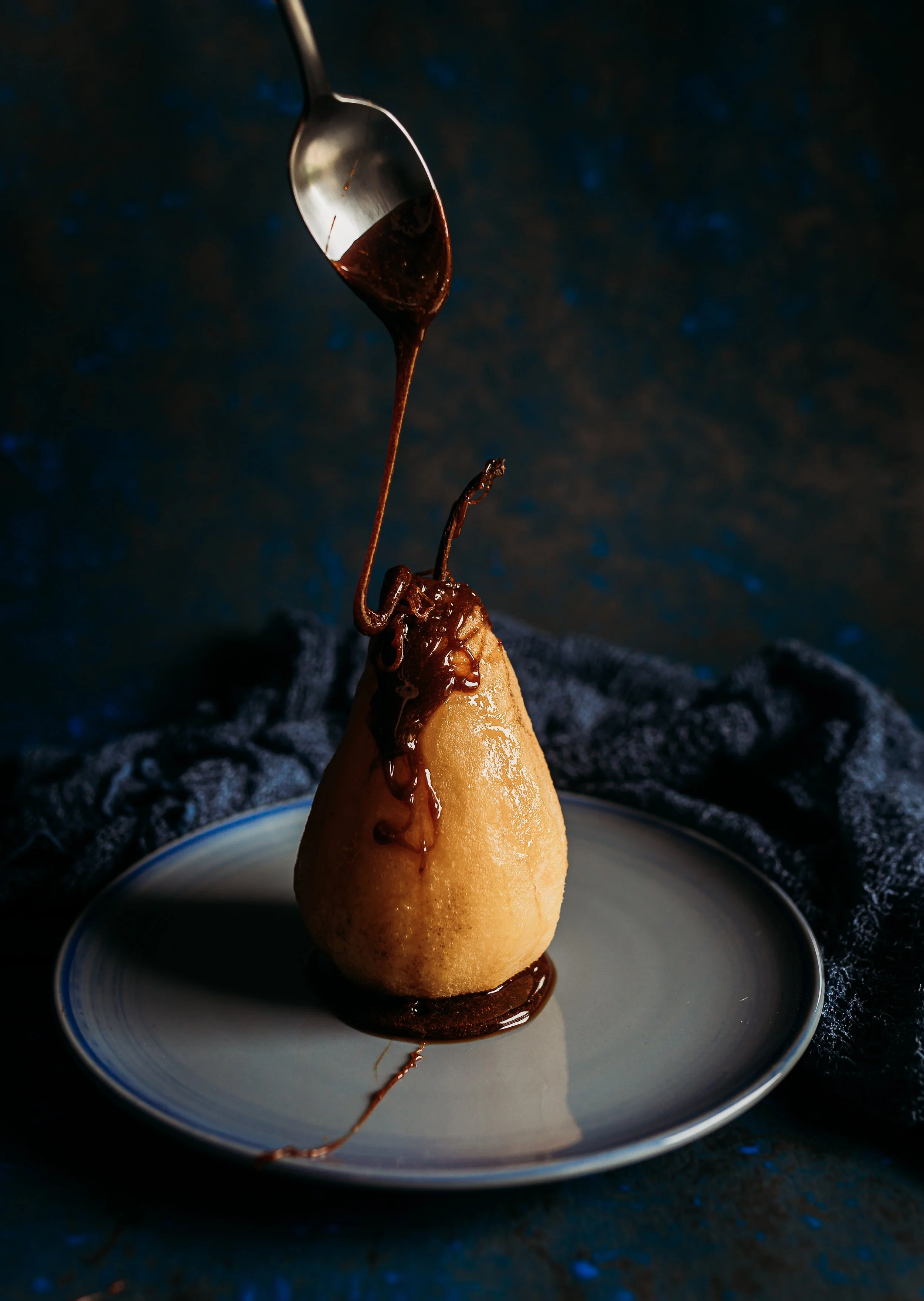
The photos people stop scrolling for usually have a little mess to them. A drizzle running off the spoon. Crumbs on the table. A pie with a slice missing. Melted ice cream. Coffee rings. Flour on the counter.
Let the food feel touched.
If someone made cookies, show the broken one. If someone poured coffee, leave the tiny spill. Real life photographs better than staged perfection ever will.

Think in Layers
A plate floating in the middle of nowhere? Usually feels flat.
Instead, build around your subject.
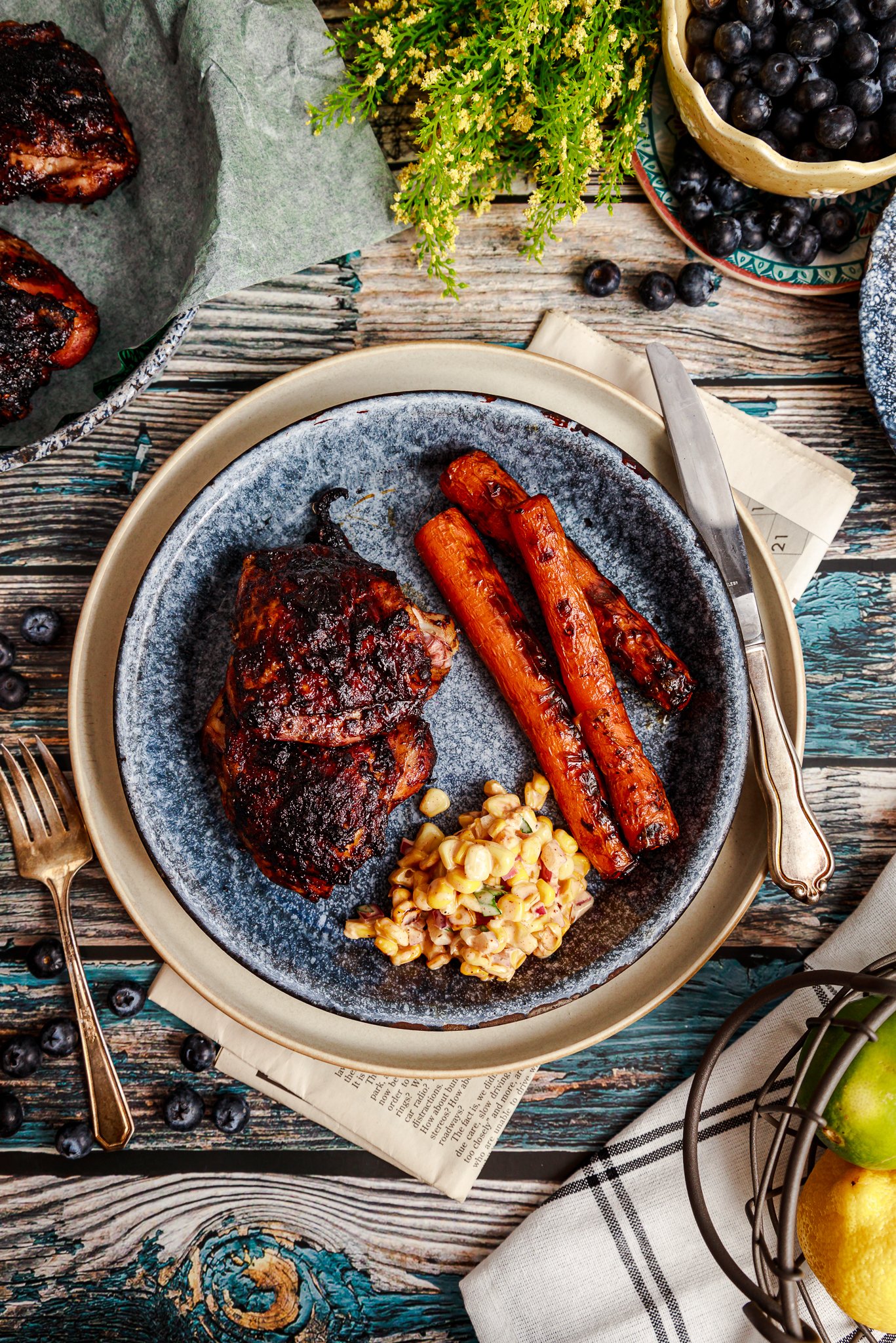
Add linens. Ingredients. A drink. A fork tossed casually to the side. Fresh herbs. A cookbook left open. Something that gives context.
You don’t need clutter. You need intention.
Ask yourself: What belongs in this story?
A bowl of soup on a rainy day tells a different story than cocktails on a patio in July.
Add Human Elements
This one changes everything.
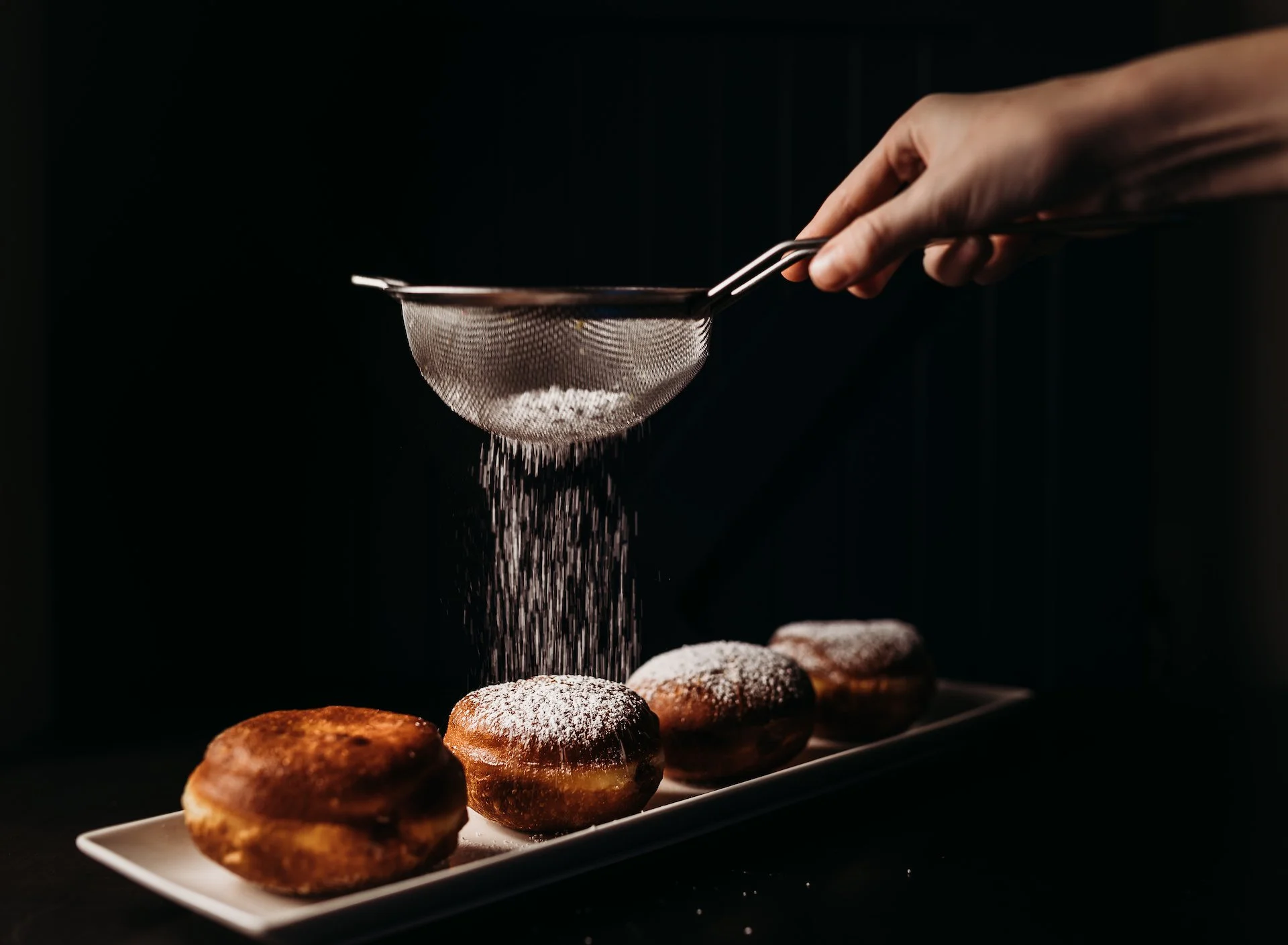
Hands reaching into the frame. Someone pouring syrup. Cutting fruit. Holding a coffee mug. Sprinkling flaky salt.
Humans instantly make food feel more alive.
And honestly? We connect with people. Even when we can’t see their face.
Food photography becomes storytelling photography the minute someone interacts with the scene.
Keep Props Simple
You do not need to spend $600 at some aesthetic kitchen store.
Promise.
Some of the best food props come from thrift stores, your grandma’s cabinet, Facebook Marketplace, or Target clearance.
Look for:
✔ Neutral dishes
✔ Vintage silverware
✔ Linen napkins
✔ Ceramic mugs
✔ Wooden boards
✔ Textured surfaces
The goal isn’t for someone to notice the props. The goal is for the props to support the food.
If the plate is louder than the meal, we have a problem.

Pay Attention to Color
Color matters more than people realize.
Warm browns, creams, oranges, and golds feel cozy and nostalgic.
Greens and whites feel fresh and clean.
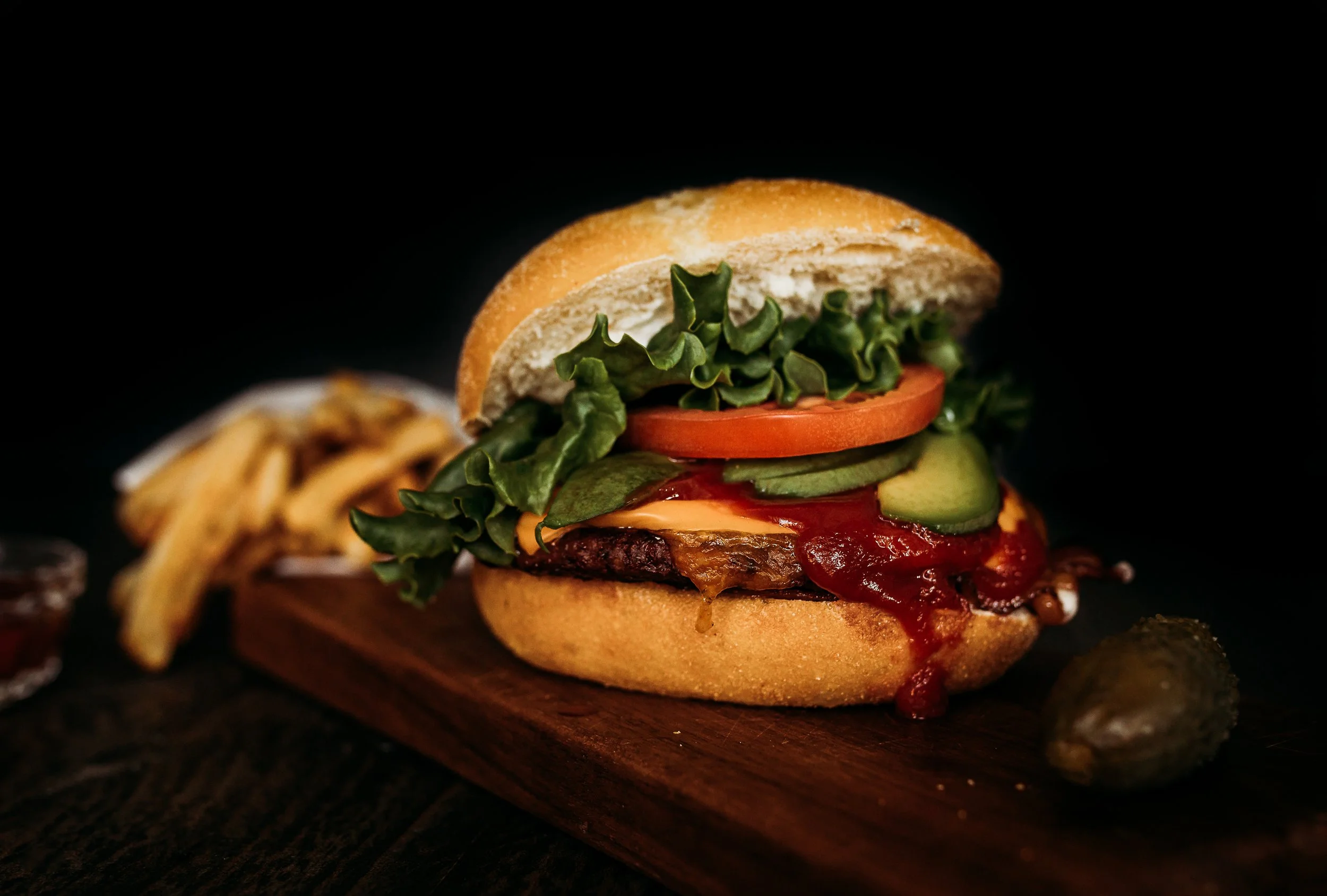
Dark tones and shadows feel moody and editorial.
Try limiting your palette a little instead of throwing every color into one frame. Your images will feel more intentional instantly.

Texture Is Your Best Friend
Texture photographs beautifully.
Think flaky salt, powdered sugar, steam, bubbling drinks, wrinkled parchment paper, crusty bread, dripping sauces, rough linens, wood grain.
Sometimes what makes us feel hungry isn’t even the food itself. It’s the texture.
Fresh Food Matters More Than Fancy Gear
Wilted herbs? Sad.
Dry pancakes? Also sad.
If you’re shooting fresh ingredients, wait to garnish until the very end. Brush a little oil or butter onto food if it starts looking dry. Replace tired herbs. Re-pour drinks if needed.
No one talks about this enough, but food styling is often tiny fixes over and over again.
The Best Question to Ask Yourself
Before you click the shutter, ask:
What happened right before this?
And:
What happens next?
Maybe someone just baked these muffins with their kids.
Maybe brunch is about to start.
Maybe someone made tea after a really hard day.
Leave clues in the frame.
That is what turns food photography from “here is a sandwich” into “I want to crawl into this photo and stay there for awhile.”
And honestly? That is the whole point.