
Top Tips for Direct Flash to Achieve an Editorial Look
Direct Flash Images by our girl Jessie Carlton
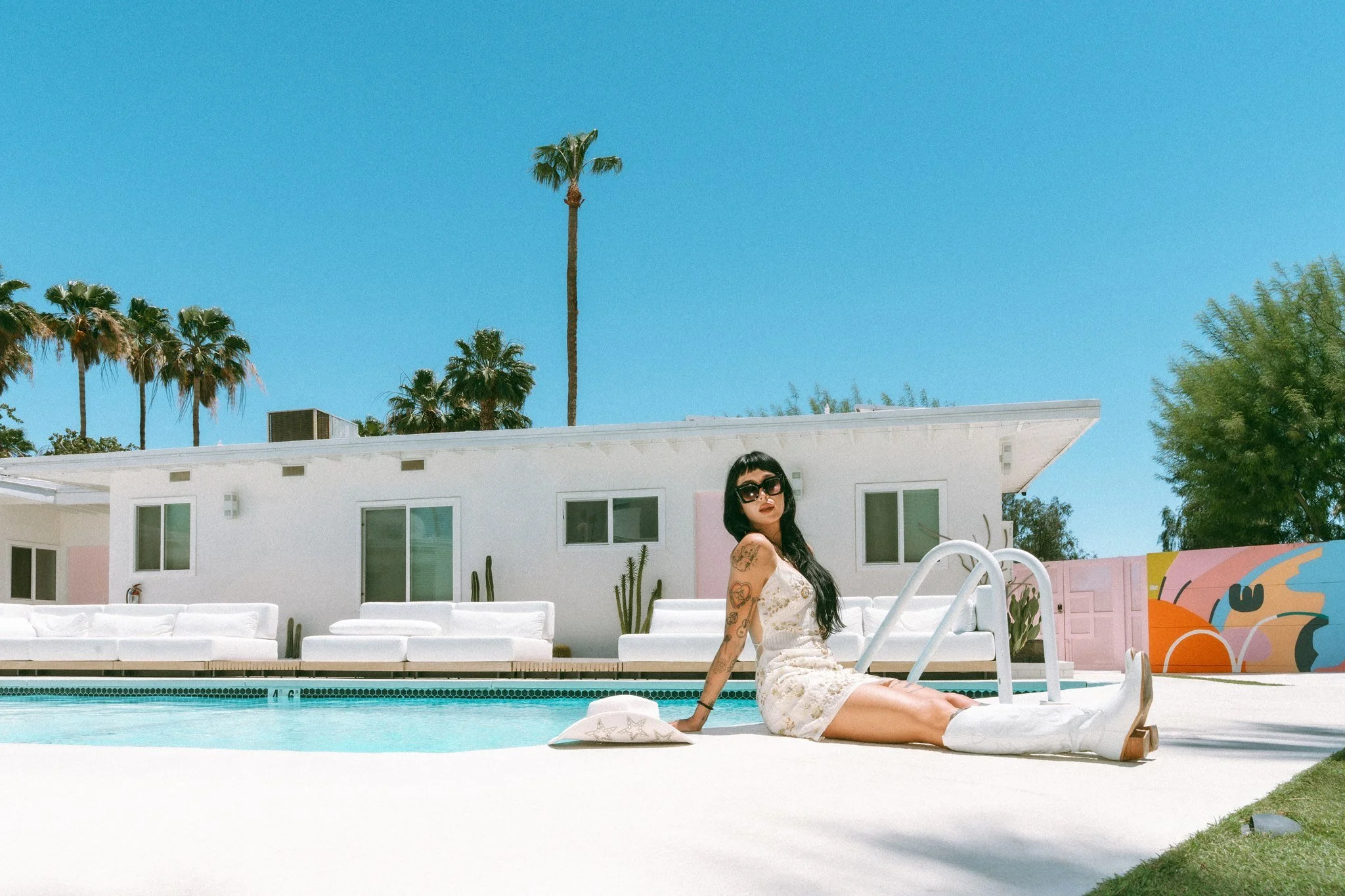
Direct flash is having a moment. Actually, it's the moment.
It's showing up everywhere from fashion campaigns and magazine editorials to weddings, senior sessions, family photography, and late-night city streets. Photographers are using it in harsh midday sun, dimly lit dive bars, grocery stores, parking garages, and dance floors. The polished, perfectly lit images we've chased for years have made room for something a little louder. A little messier. A little more alive.
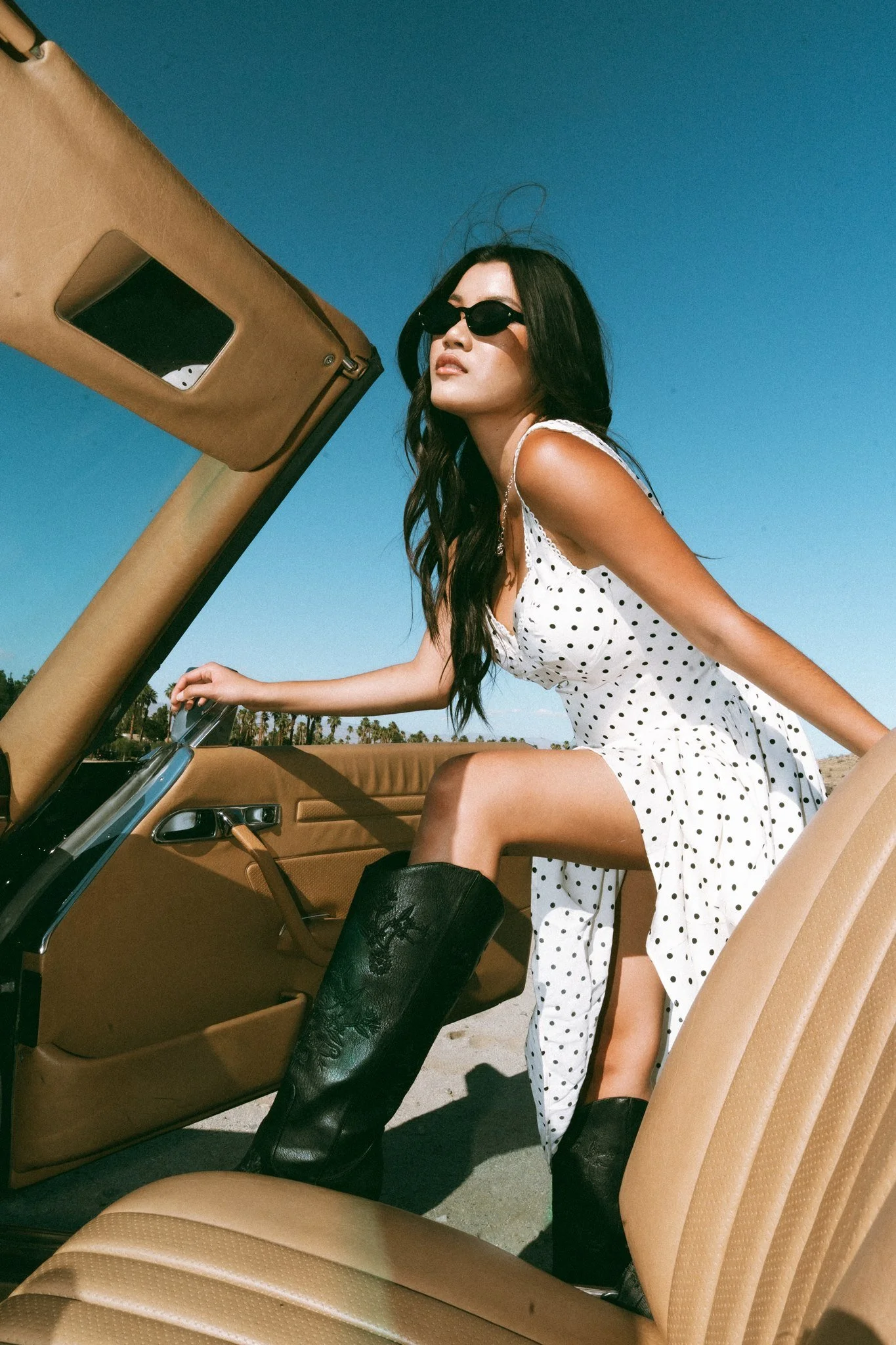
1. Stop Chasing Someone Else's Settings
One of the biggest mistakes photographers make is asking for the "correct" settings.
There aren't any.
Every location, subject, skin tone, lens, and ambient lighting situation is different. Someone else's settings might get you close, but they won't teach you why they worked.
Instead, start learning how your camera and flash communicate with each other.
Try changing one variable at a time.
Raise your ISO.
Slow your shutter.
Close down your aperture.
Lower your flash power.
Pay attention to what actually changes.
That's where the learning happens.
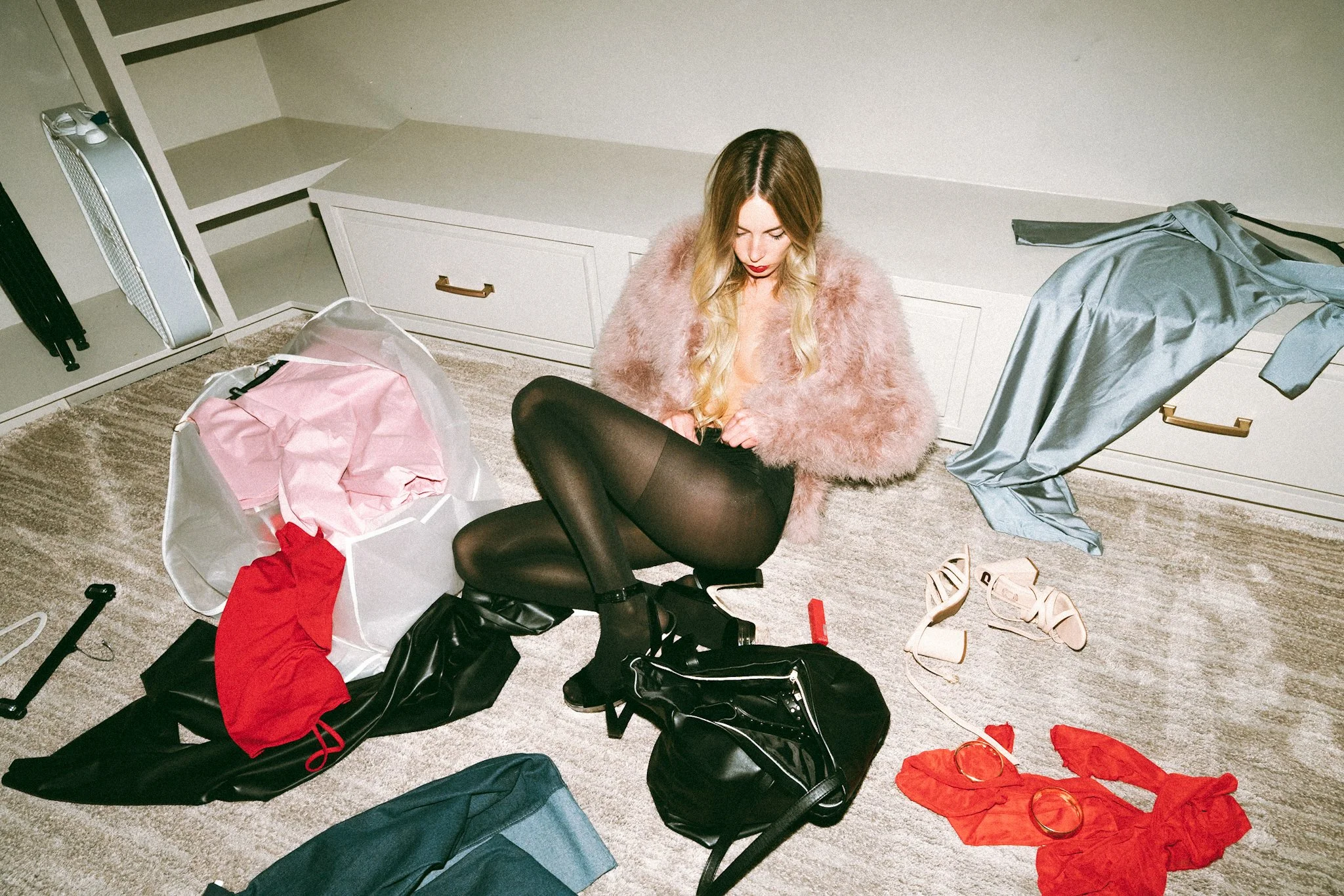
2. Keep Your Flash Power Simple
You don't need to use every flash power available.
In fact, most photographers don't.
Choose two or three power settings that feel comfortable and spend time learning what they look like.
Personally, I find myself living around 1/32 and 1/64 power for the majority of my direct flash work. From there, I make most of my adjustments in-camera instead of constantly changing the flash itself.
The more familiar you become with a handful of settings, the faster your creativity takes over.
3. Let Ambient Light Do Some of the Work
Direct flash isn't about eliminating available light.
It's about combining it.
Some of the most editorial-looking images happen when ambient light still has room to breathe. Neon signs. Sunset. Streetlights. Window light. Golden hour. The flash simply adds another layer.
Play with dragging your shutter to let more of the scene come alive.
That's when things start getting interesting.
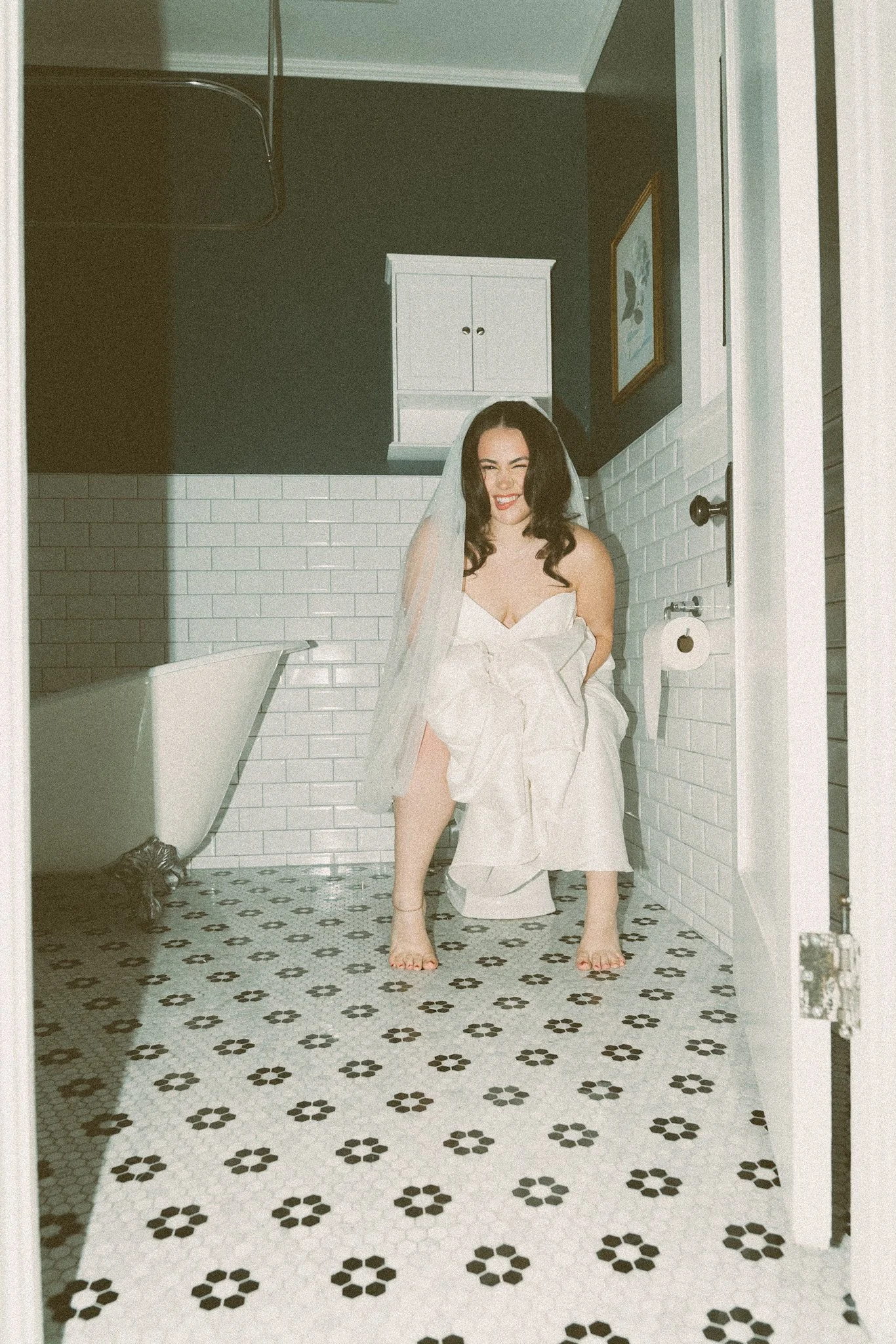
4. Shoot in Places That Aren't "Perfect"
Some of the coolest flash images happen in the most ordinary places.
Gas stations.
Grocery stores.
Hotel hallways.
Parking ramps.
Fast-food restaurants.
Messy kitchens.
The flash instantly transforms familiar places into something cinematic, nostalgic, or unexpected.
Editorial photography isn't always about the location.
It's about how you see it.

5. Get Close
Direct flash loves proximity.
Instead of standing twenty feet away, move in.
Fill the frame.
Let elbows get cropped.
Cut off the top of someone's head if it serves the composition.
Don't be afraid of awkward framing.
Editorial work often feels intimate because the photographer isn't afraid to invade a little personal space.
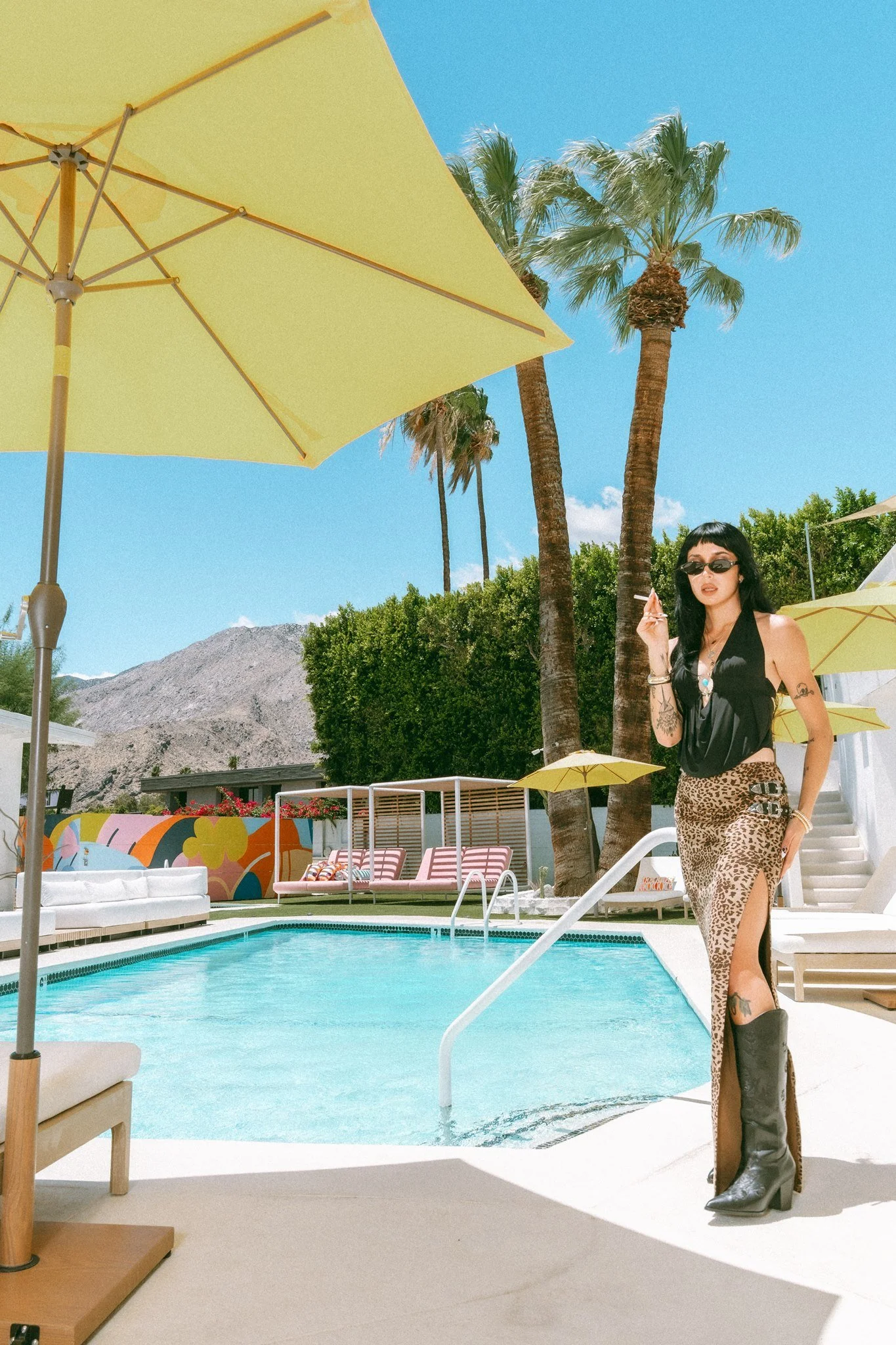
6. Don't Be Afraid of Shadows
For years photographers were taught to avoid harsh shadows.
Now?
They're often exactly what gives an image its personality.
The deep shadows behind your subject.
The crisp shadow across a wall.
The dramatic falloff behind someone's face.
Those aren't flaws.
They're part of the look.
Instead of trying to eliminate every shadow, start asking yourself how you can use them creatively.
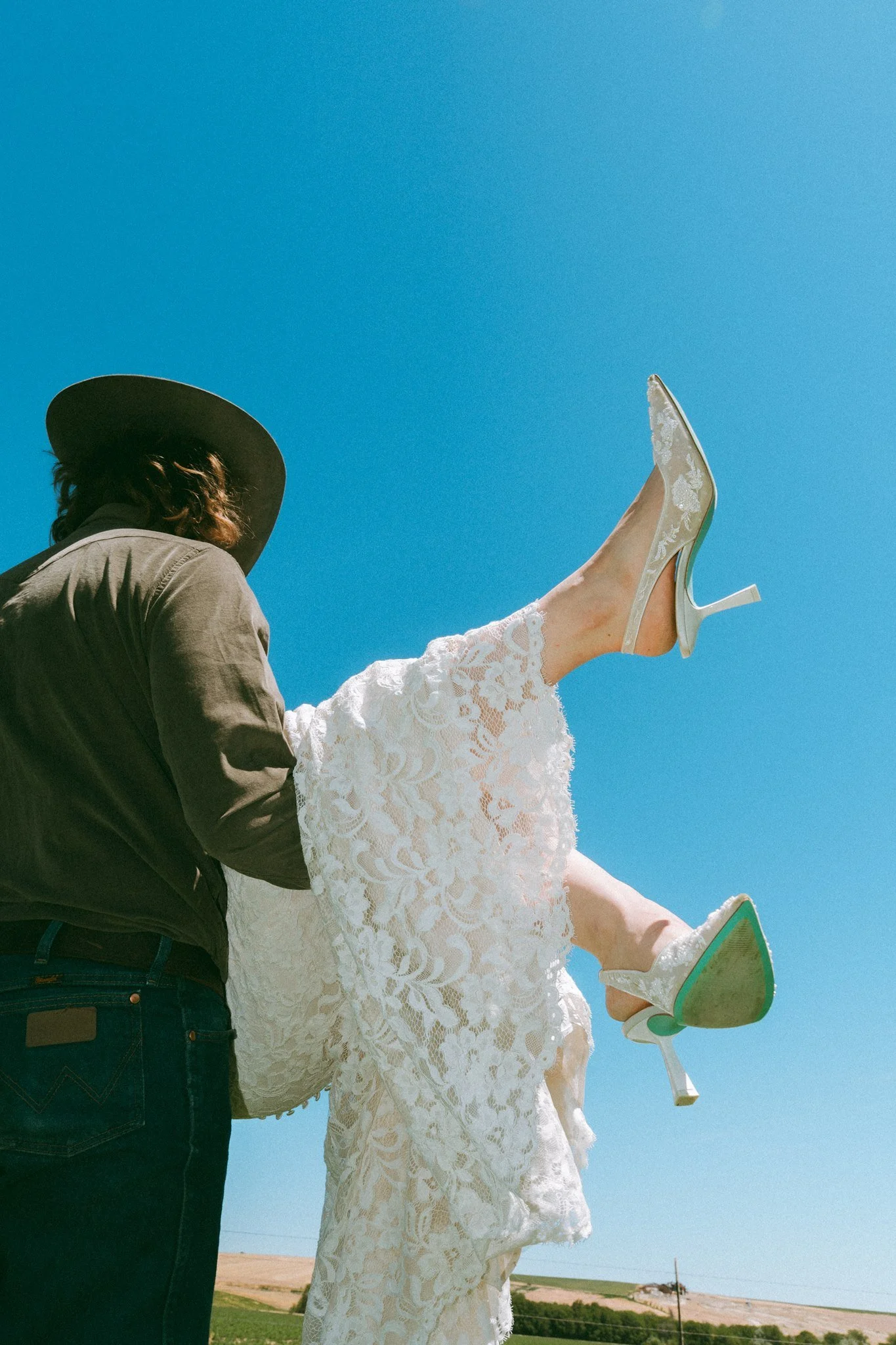
7. Photograph Movement
Flash freezes motion in a way that's incredibly fun to play with.
Ask your subject to spin.
Laugh.
Dance.
Jump.
Run.
Or try slowing your shutter speed while using flash to combine sharpness with blur.
Some of the most memorable editorial images happen when they're just a little imperfect.
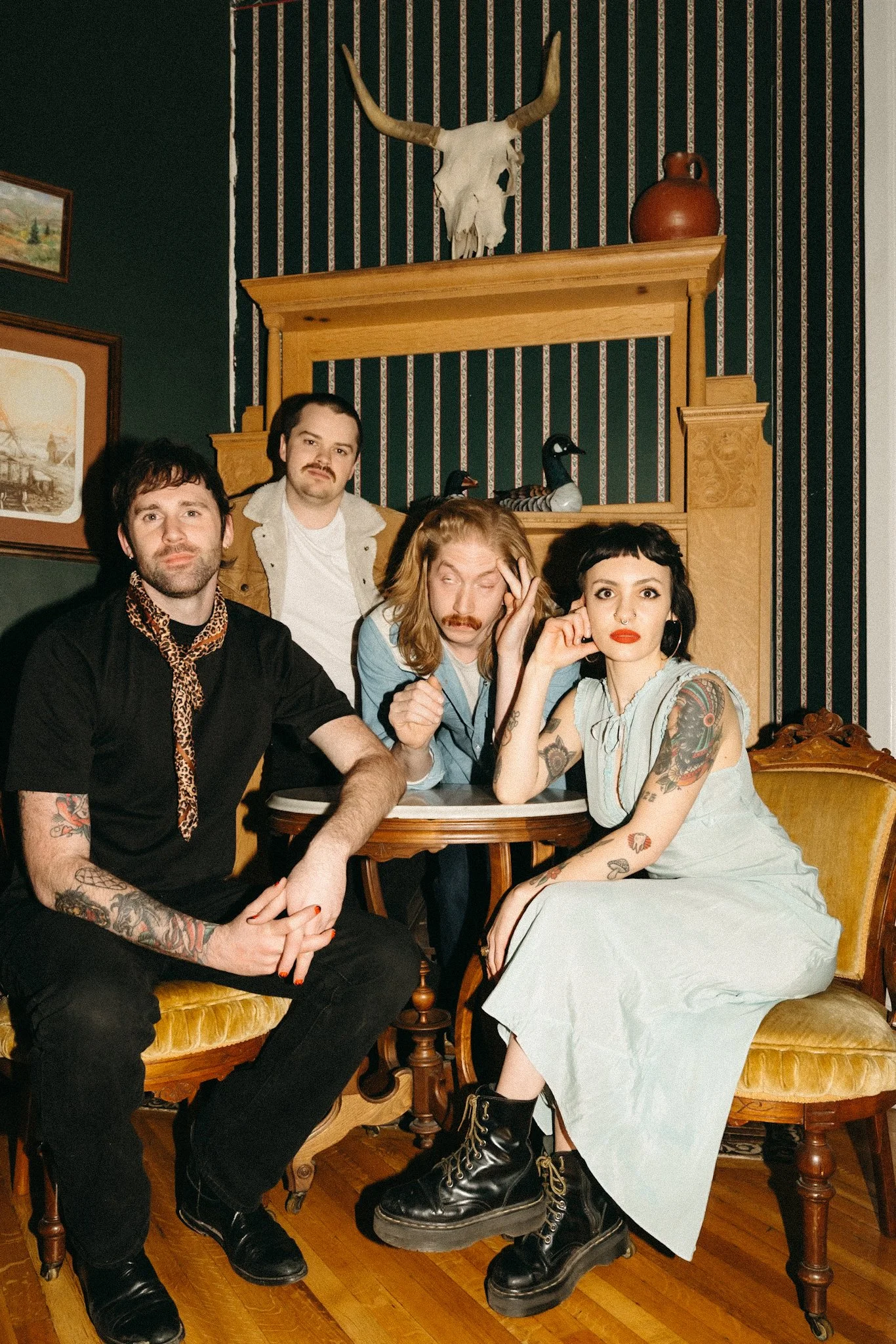
8. Embrace the Bad Frames
This might be the most important tip on the list.
Your first few flash sessions probably won't look the way you imagined.
That's okay.
Every photographer you admire has thousands of terrible flash photos sitting on a hard drive somewhere.
The difference isn't talent.
It's that they kept going.
Every mistake teaches you something your favorite YouTube tutorial never could.
So make the weird frame.
Overexpose something.
Miss focus.
Try the shot anyway.
You might accidentally discover something that's uniquely yours.
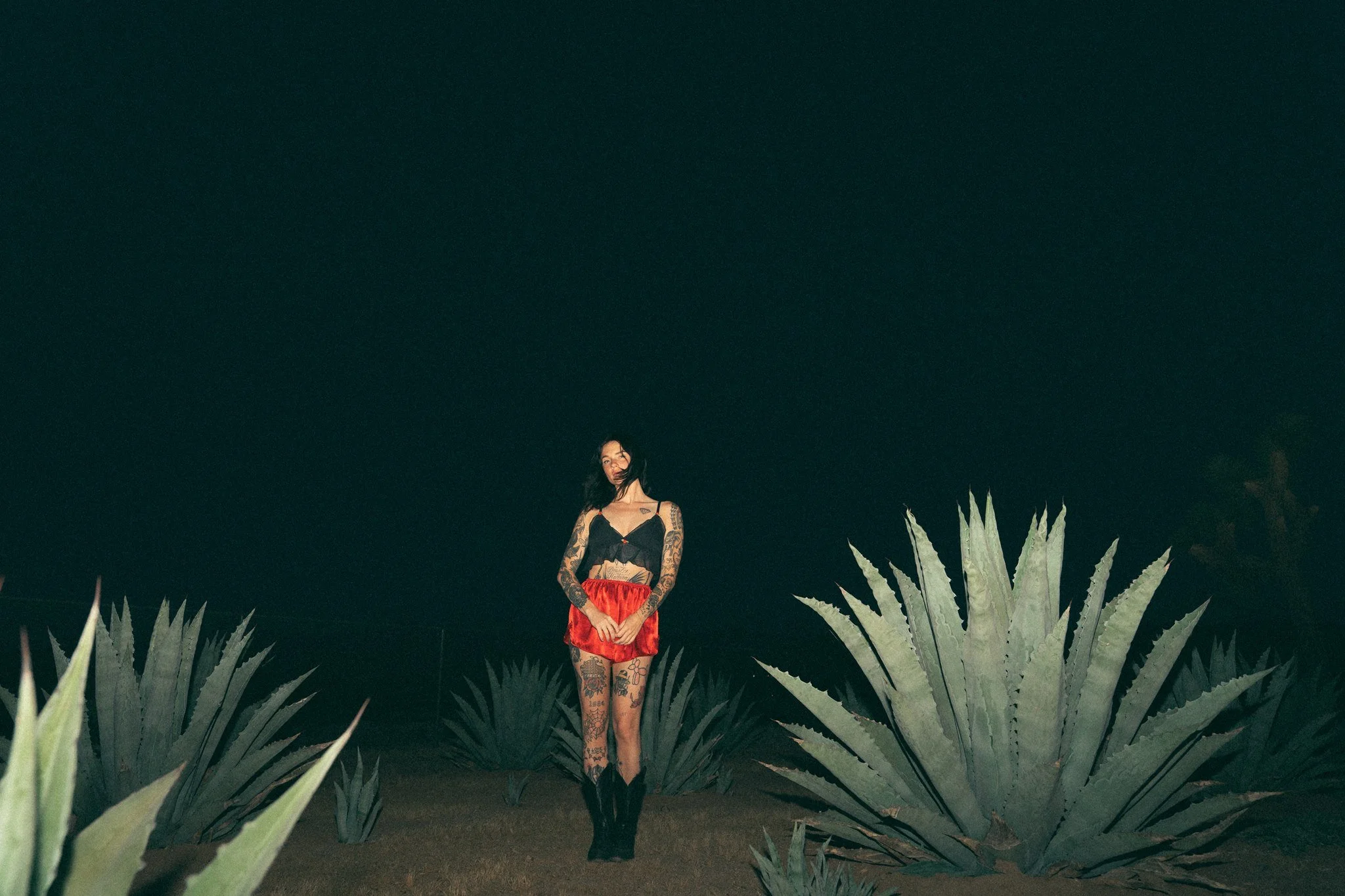
Flash Doesn't Have to Be Complicated
Photography has a funny way of convincing us that we need to master something before we're allowed to use it. Somewhere along the way, many of us started believing that flash was reserved for fashion photographers, commercial studios, or people who somehow knew a secret we didn't. But that's simply not true. Flash is just another creative tool, and like every other tool in photography, the only way to become comfortable with it is to use it. The more you experiment, the less you'll obsess over your settings and the more you'll start focusing on your ideas, your storytelling, and the feeling you're trying to create. That's the moment everything begins to click—not because you finally memorized the "right" settings, but because your creativity starts leading the way instead of your fear.
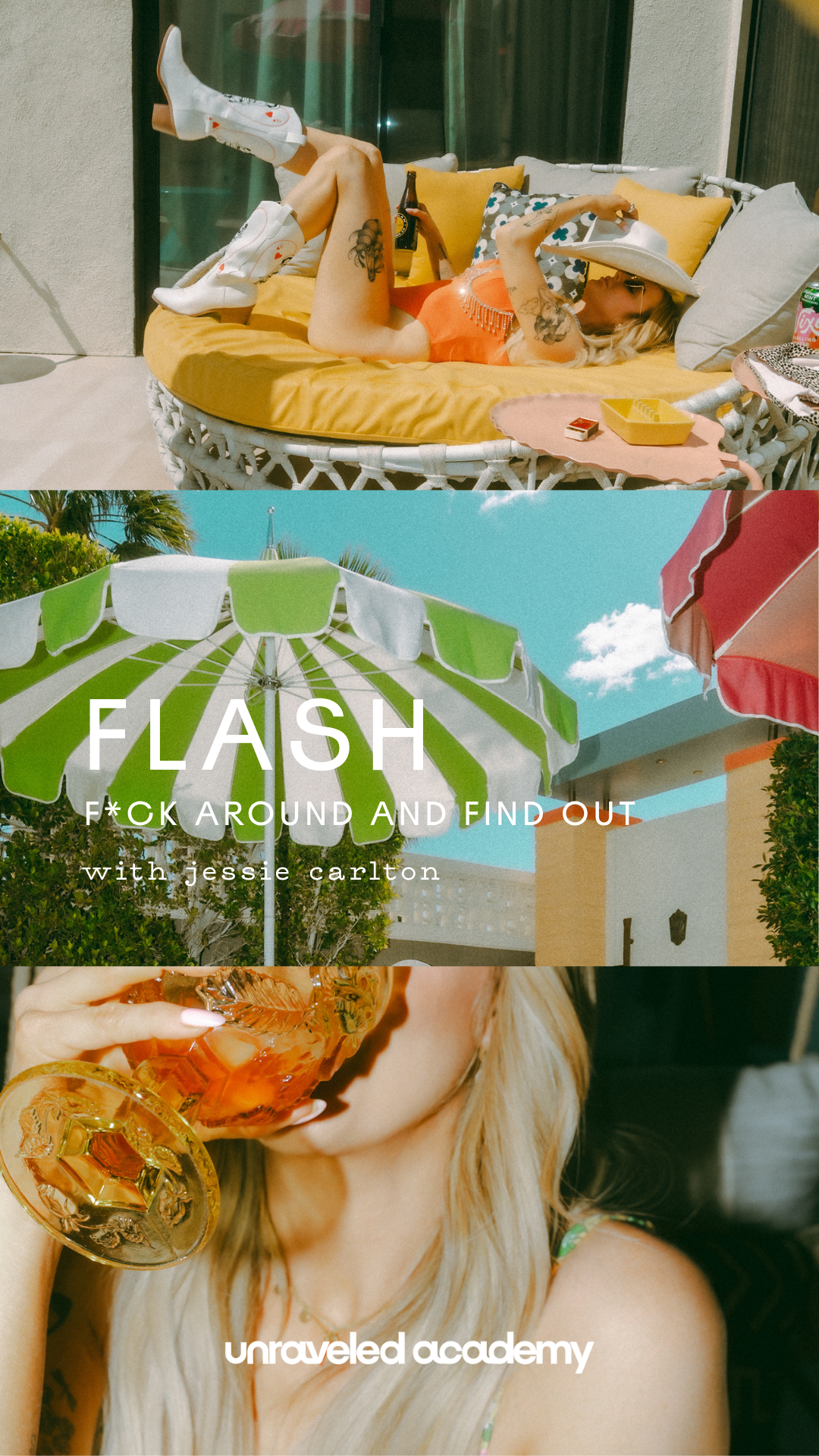
Ready to pull up your big girl panties and Start F*cking Around?
If direct flash has been sitting in your camera bag because you're too intimidated to use it, we've got you.
Inside Unraveled Academy, our course Flash: F*ck Around and Find Out by our girl Jessie Carlton was built for photographers who are ready to stop overthinking and start experimenting.
We'll cover the fundamentals, walk through real sessions, explain what's happening behind the scenes, and—most importantly—give you permission to play.
Because that's how artists grow.
Not by memorizing someone else's settings.
By picking up the flash, making a mess, and finding their own way.
Come fuck around. You might surprise yourself.
This is ONE of THREE Flash Courses set to launch in 2026. Buckle up baby-flash is here to stay!
