The Non-Negotiables of Photographing a Proposal
(You only get one opportunity. Don’t miss the moment.)
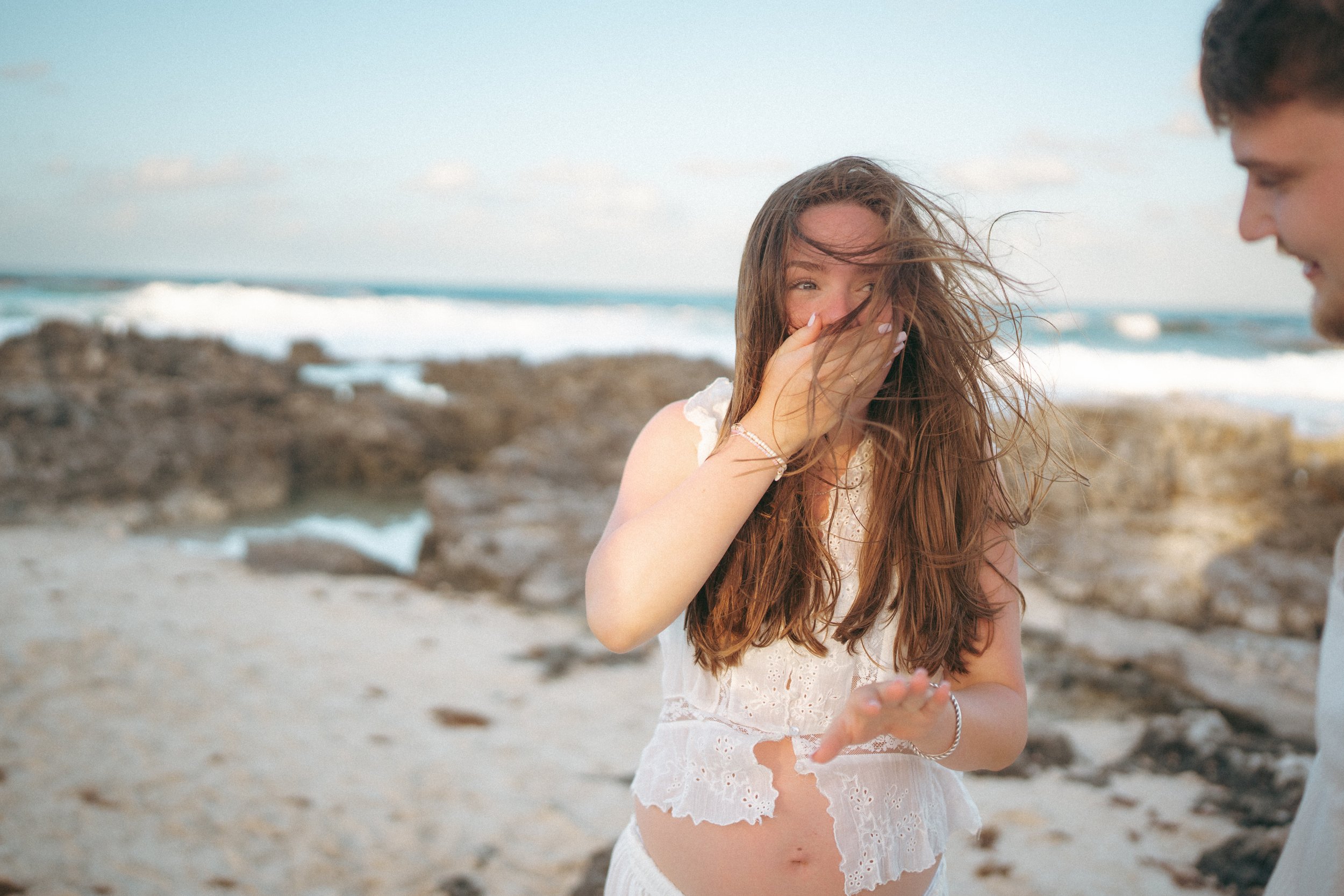
There are a lot of photography sessions where you can pivot, adjust, laugh something off, and try again.
Proposal photography is not one of them.
You don’t get a redo when someone drops to one knee. You can’t ask them to “just do that one more time, but slower.” The emotions are real. The reactions are real. The adrenaline is very, very real.
And while proposal photography can be one of the most exciting, emotional, and profitable niches to step into, it also comes with a level of pressure that deserves preparation.
Whether you’re photographing your first proposal or your fiftieth, here are the non-negotiables that matter most if you want to walk away with images that feel honest, emotional, and wildly unforgettable.
1. Over-communicate with the person proposing
This is not the kind of session where vague plans work.
You need details. All the details.
Ask questions like:
✔ Exactly where will it happen?
✔ What time are you arriving?
✔ What direction will you be facing?
✔ Are there backup plans if weather changes?
✔ Will there be family nearby afterward?
✔ Are we doing portraits after the proposal?
✔ What are you wearing so I know who I’m looking for?
✔ Do you have a live location you can share?
I know this sounds intense, but trust me: proposal photography rewards obsessive planning.
People are nervous. Timelines shift. Someone suddenly decides to stop for coffee. GPS fails. A partner gets suspicious.
The more prepared you are, the calmer everyone feels.
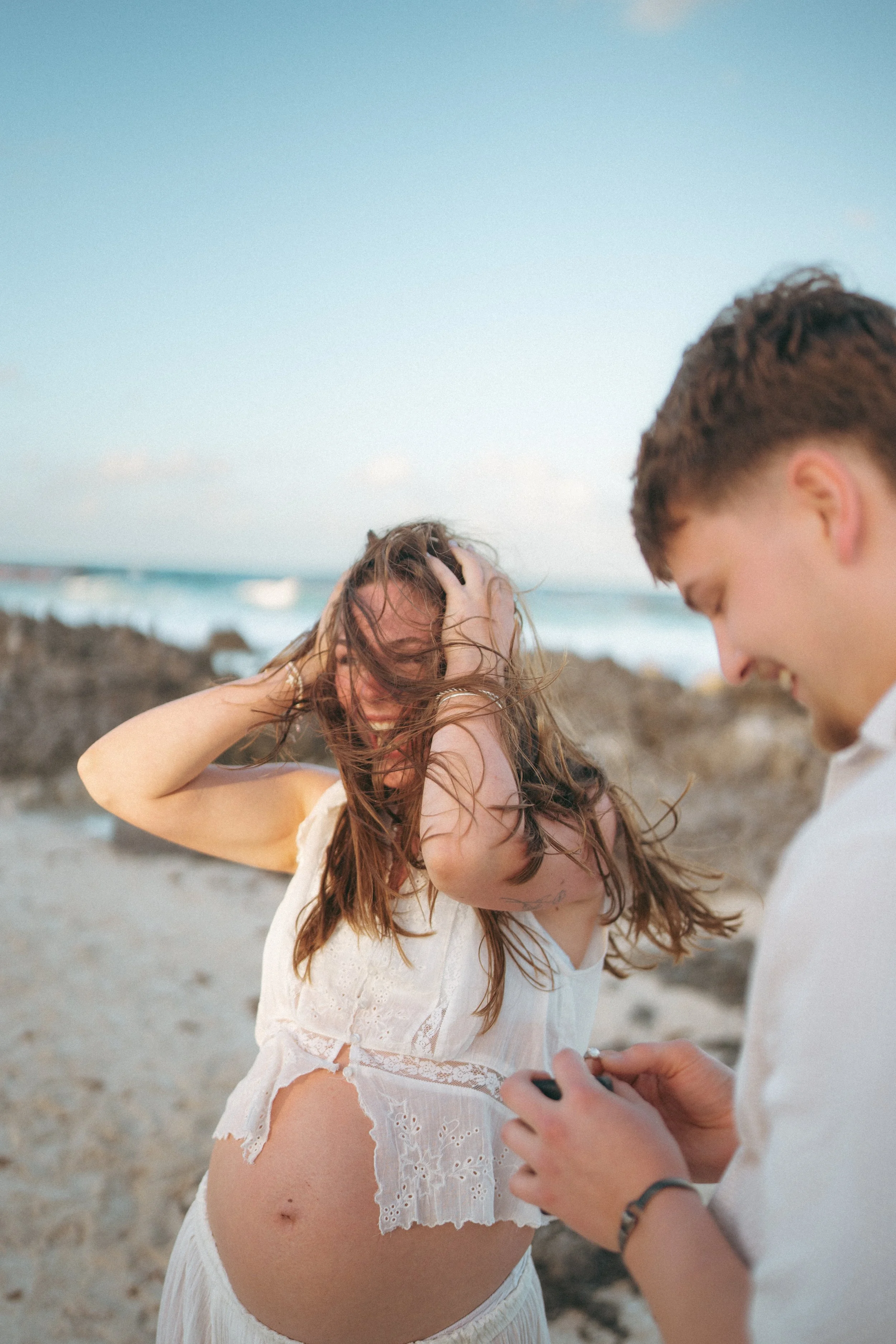
2. Scout the location beforehand (or arrive stupid early)
Lighting matters.
Backgrounds matter.
Escape routes matter.
And most importantly: you need to know where you are hiding.
Yes. Hiding.
Proposal photography often requires becoming weirdly stealthy.
You are suddenly part photographer, part private investigator, part emotionally invested ninja hiding behind a tree pretending to look casual.
Go beforehand if possible. Walk the location. Test the light. Figure out where the best angles are and where you can stand without ruining the surprise.
And if you cannot scout beforehand, arrive early enough to fully assess the environment before things start happening.
Because once they arrive, the clock starts ticking.
3. Always have a clear visual signal
This one matters more than people realize.
How do you know this is the moment?
You and the person proposing should agree on a visual cue ahead of time.
Maybe they:
✔ Take off their jacket
✔ Say a specific phrase
✔ Stand in a very specific spot
✔ Turn their body toward a landmark
Without a cue, you risk missing the moment because you were still pretending to photograph ducks in the distance.
And nobody wants that.
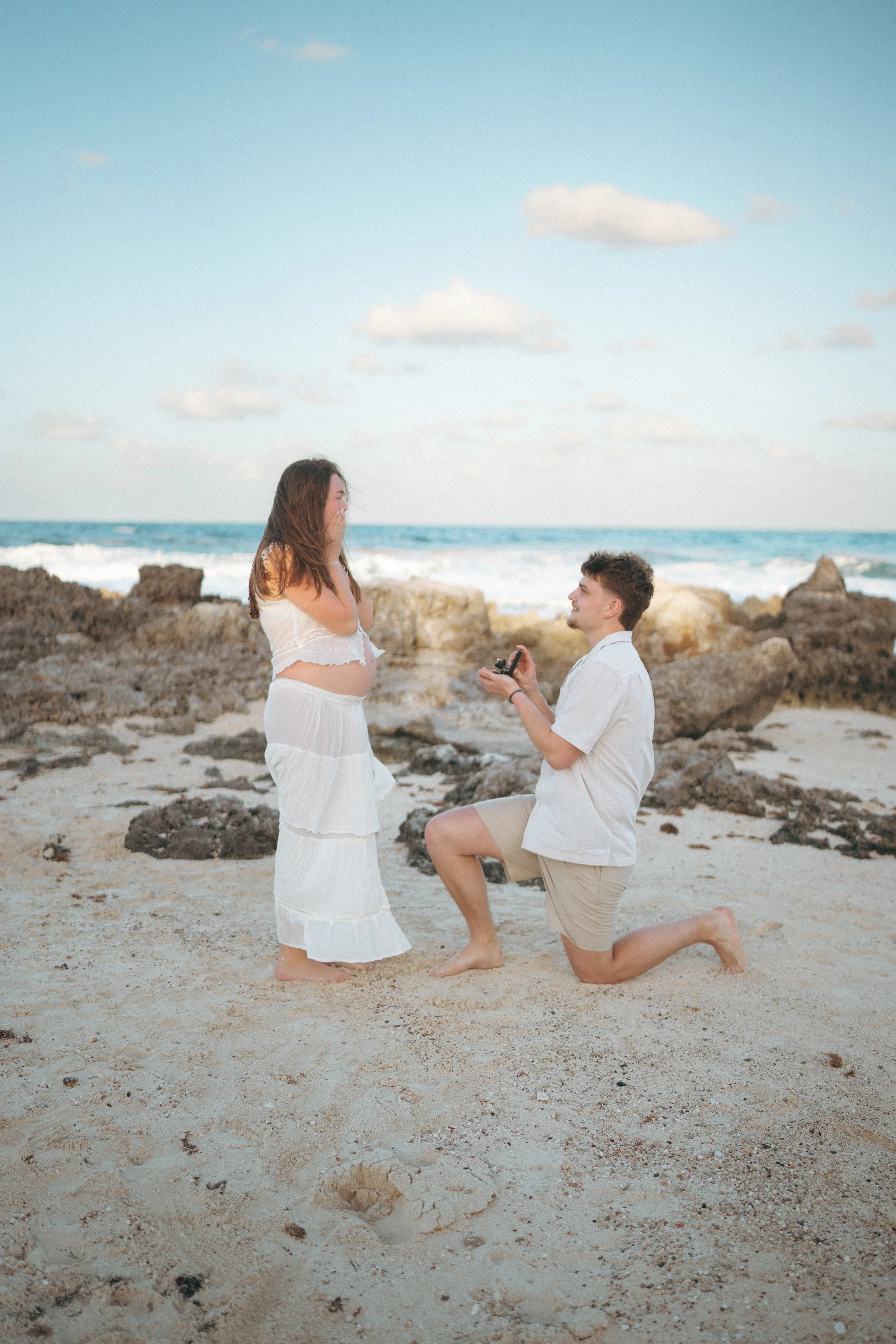
4. Shoot wider than you think you need to
When adrenaline kicks in, photographers panic-zoom.
Don’t do it.
You want variety.
Start wider.
Tell the story.
Show the environment. Show where they were. Show the tiny details that someday will matter so much.
The cliffside.
The city lights.
The beach.
The park bench where their whole life changed.
Then move tighter for the emotion.
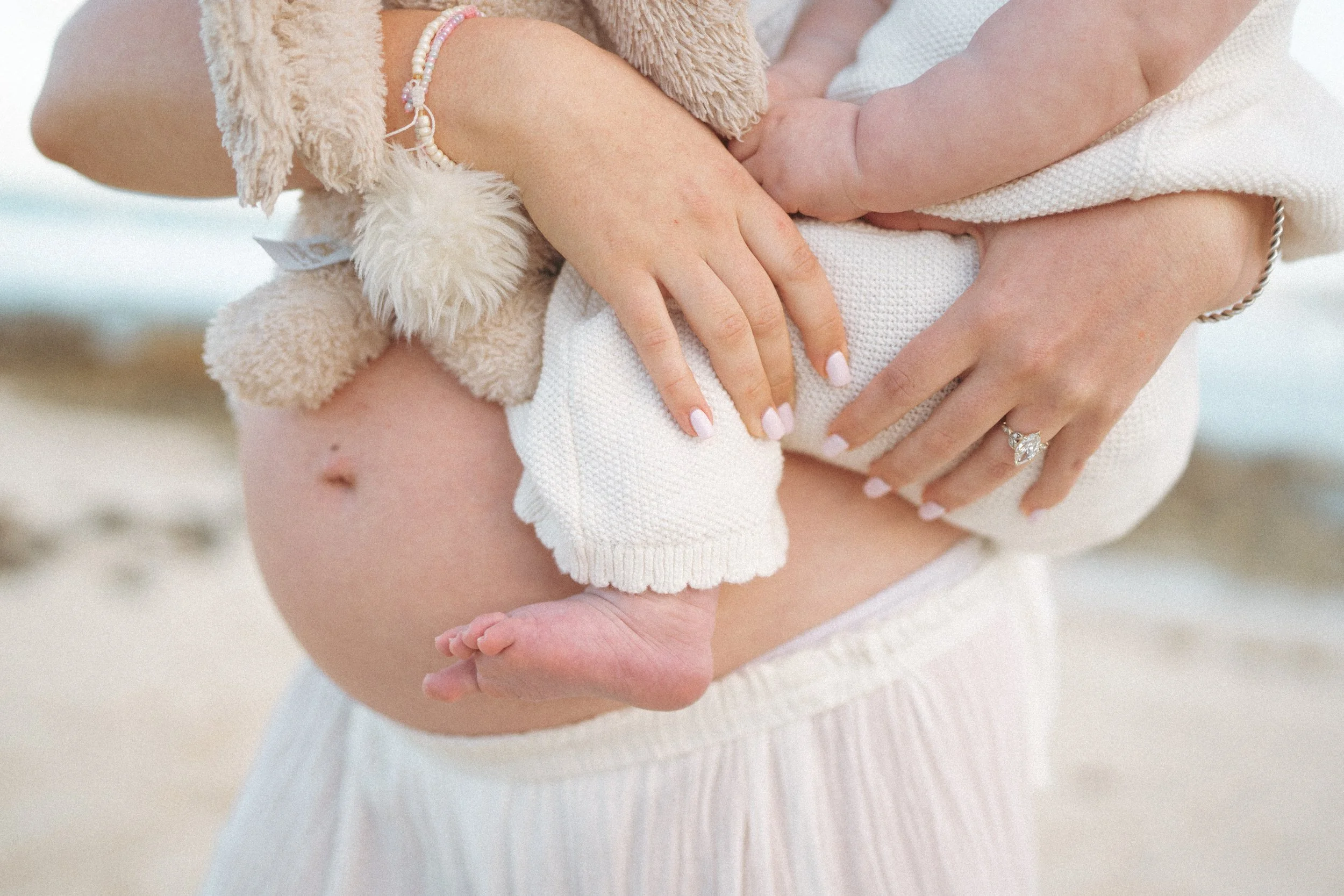
The hands.
The tears.
The laugh where nobody knows what to do with themselves.
The shaking.
The giant awkward hug where they both forget people exist.
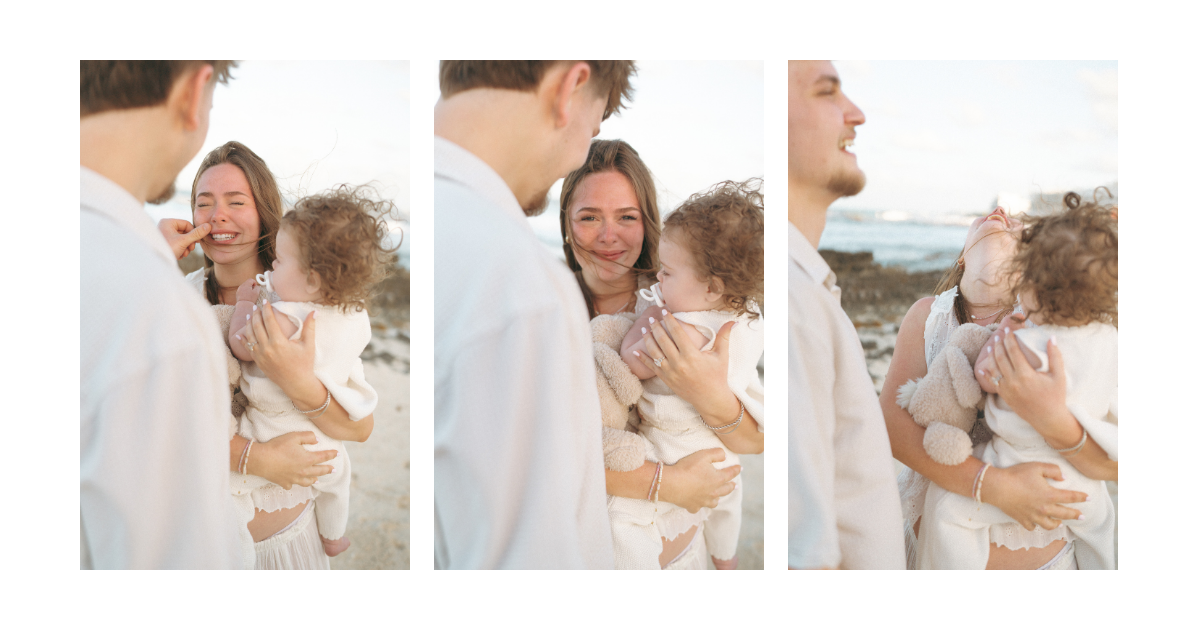
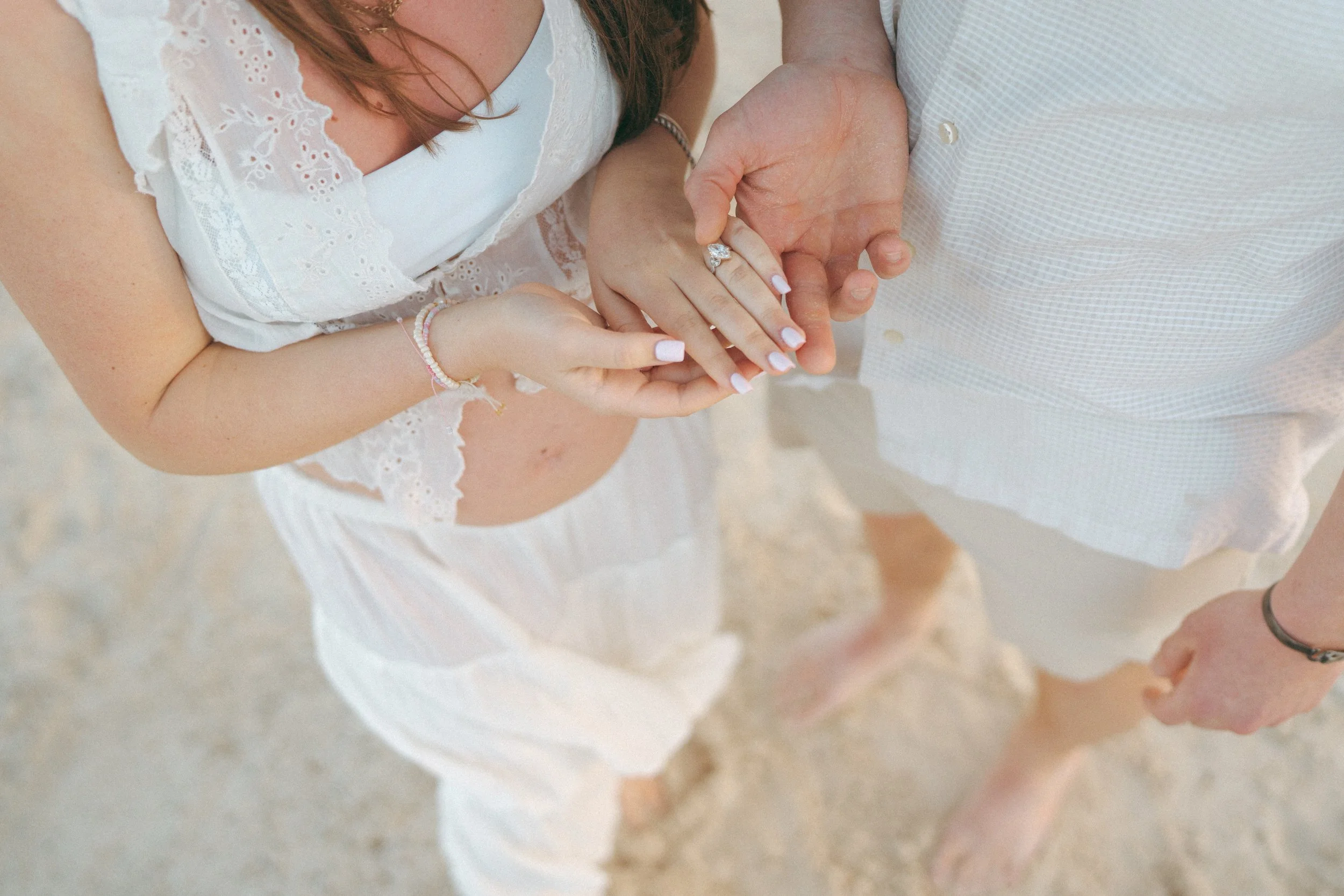
Photograph the story, not just the ring.
5. Continuous autofocus is your best friend
This is not the time to trust stillness.
People move unpredictably during proposals.
They turn.
They jump.
They cry.
Sometimes they literally pace in circles because they don’t know what to do with their body.
Use continuous autofocus and shoot in burst mode when the moment starts happening.
You are protecting yourself from blinked eyes, weird expressions, missed focus, and tiny emotional shifts that matter.
One second can completely change the image.
6. Do not stop shooting after the “yes”
Honestly? Sometimes the best photos happen after the proposal.
Everyone relaxes.
The shock wears off.
They kiss.
They cry harder.
They laugh.
Someone suddenly notices you and starts yelling, “OH MY GOD THERE WAS A PHOTOGRAPHER?”
Keep shooting.
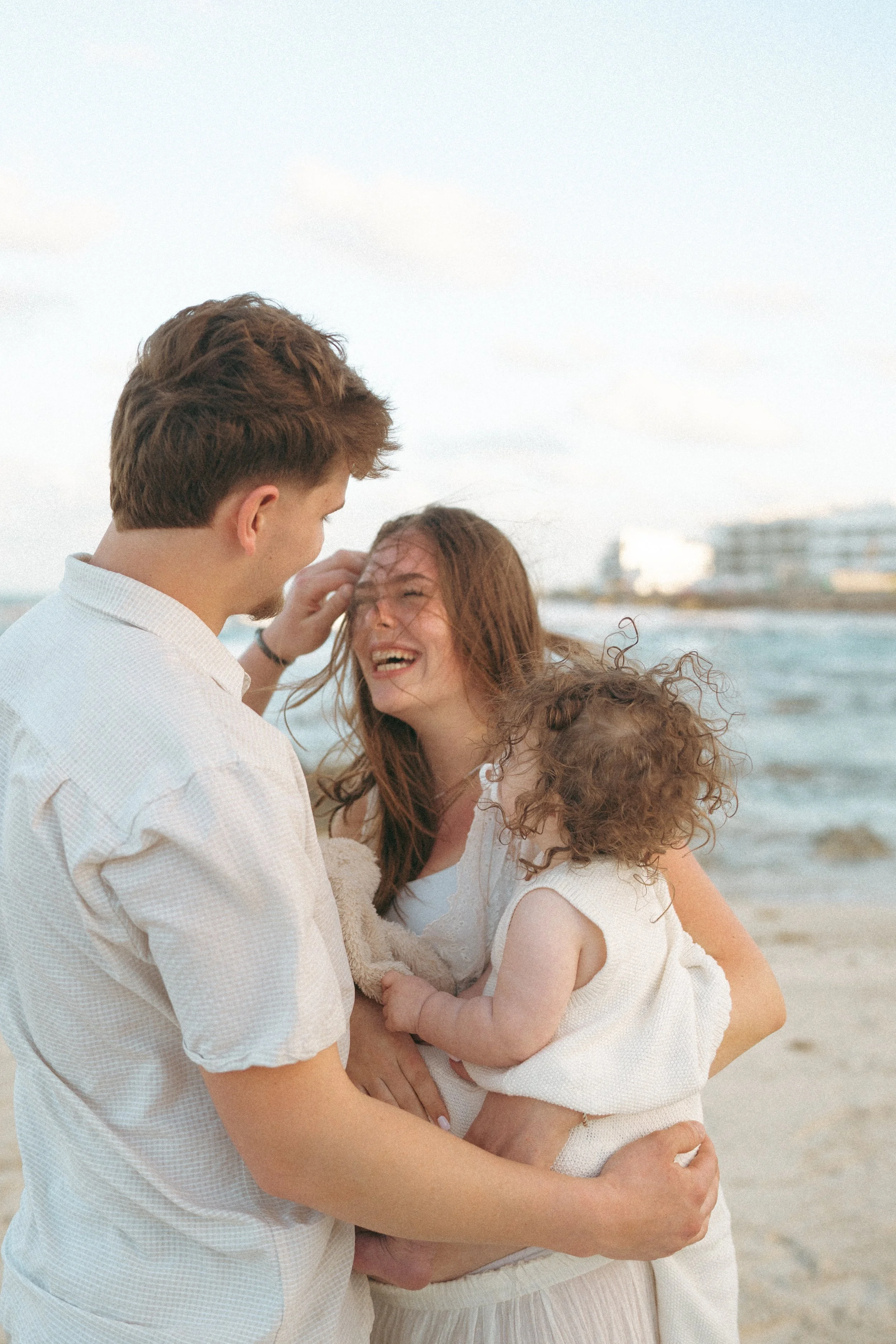
Some of the sweetest images come in the 5–10 minutes after the proposal when reality starts sinking in.
And if family or friends are secretly nearby? Those reactions can be absolute gold.
7. Have a portrait game plan ready
The proposal itself might only last 30 seconds.
Then what?
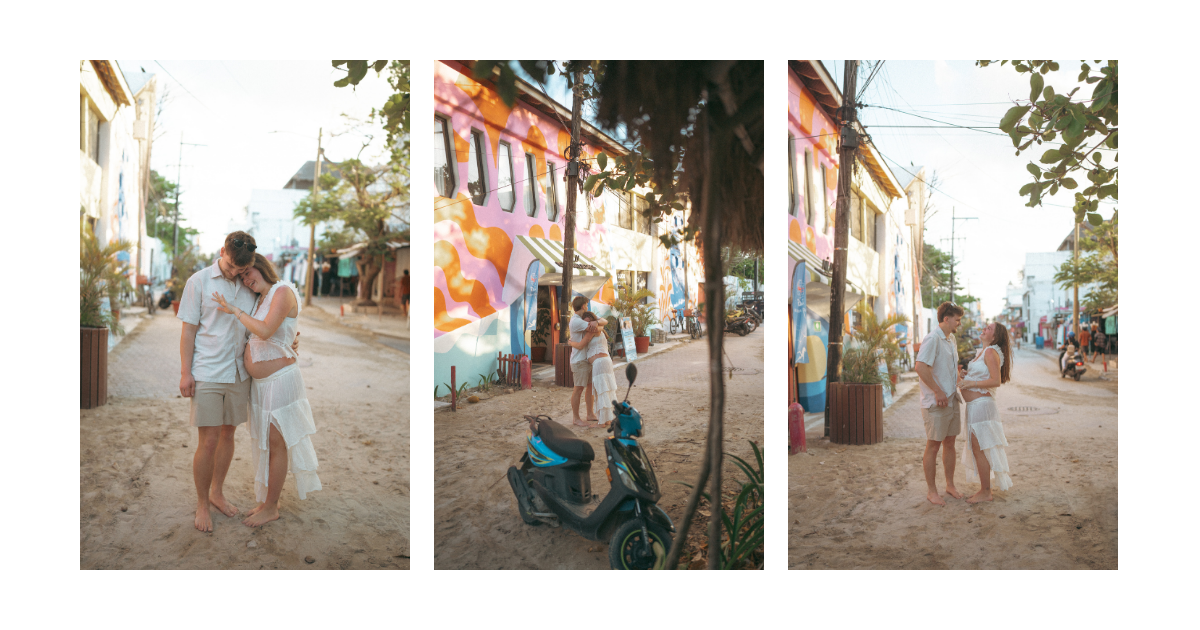
Have a loose plan.
Know your spots.
Know your light.
Know what direction you want to move.
This is not the moment to stand there awkwardly wondering what happens next.
Keep it simple.
Nothing overly posey.
Let them soak it in.
Walk.
Talk.
Hold hands.
Laugh.
Ask them how they met.
Ask how they’re feeling.
You already have emotion working in your favor.
Lean into it.
8. Backup your cards immediately
I wish this one didn’t need to be said.
But proposal photography is high stakes.
There are no redos.
Dual card slots if you have them.
Backup immediately when you get home.
Cloud backup? Even better.
Protect those files like somebody’s future family heirlooms.
Because honestly… they are.
Final Thoughts: Proposal Photography Is About Presence
Here’s the thing nobody tells you about photographing proposals:
You are carrying a tiny piece of someone’s story.
Years from now, these photos become the thing they show their kids. The thing they look at when life gets hard. The thing they remember when they talk about where it all began.
So yes, know your settings.
Know your light.
Know your lens.
But more than anything, pay attention.
Slow down.
Anticipate.
Feel the room.
The best proposal photographers are not just technically prepared.
They’re emotionally observant.
And when you nail it?
There are few things more rewarding than knowing you caught the exact second someone’s whole life changed.
Want to Learn How to Capture a Proposal?
Inside Unraveled Academy, we pull back the curtain on the real behind-the-scenes of photographing proposals.
In this course, you’ll watch TWO real-life surprise proposals unfold from start to finish, giving you an honest look at what it actually takes to photograph one of the biggest moments in someone’s life.
We cover planning logistics, handling unexpected surprises, camera settings, timing, storytelling techniques, and the tiny details that matter when there are no second chances. You’ll also receive a proposal planning checklist and a day-of checklist so you can walk into proposal sessions feeling calm, prepared, and confident.
Because when it comes to proposals?
You only get one shot.